Umoya Legacy

Sending something in for the next issue

The letters page, the events diary, the recipe swap and the classifieds board all run on material that readers and community groups send in. If you have a walking group schedule, a botanical garden roster, a woodworking or watercolour club notice, a choir rehearsal time, a grandparent-and-grandchild outing, a retirement village notice or a second-hand book fair coming up, it can go into the next print run or the weekly email digest.

Letters, recipe entries, lift shares, craft supplies and club notices are all welcome. Obituary notices are handled with care and read closely before anything is set in type. Include your town or province so the item lands in the right local edition, and say whether you would rather see it in print or in the digest.

What to send, and where

  • Letters for the letters page, kept as you wrote them.
  • Event and club listings with dates, times and a meeting point.
  • Recipes for the swap column, with your own measurements.
  • Classifieds notices for lift shares, craft supplies and clubs.
  • Obituary notices, written plainly and sent when you are ready.

Submissions go through the contact page, where you can mark what you are sending and choose the next print run, the weekly digest, or either.

Go to the contact page

Prefer to write directly? Email hello@germanyseniors.com or call +27 66 762 3470.

The Firs, 32A Cradock Avenue, Rosebank, Johannesburg, 2196, South Africa

What runs in a single issue

Every fortnight the paper is built from what readers and local groups send in, plus reporting from contributors who live in the towns they cover. Below are five pieces from recent issues, each one a working example of how a listing, a letter or a column moves from a reader's notebook into print and into the weekly email digest.

A line of walkers on a gravel path through low green vegetation in soft morning light

Walking groups

What a Walking Group Actually Asks of You

Most walking groups in South African towns settle into a rhythm within a few weeks: a fixed meeting point, a route that changes with the season, and a clear understanding that nobody gets left behind at the back. New members often worry about pace, but the real adjustment is social. You learn who carries the spare water, which paths flood after heavy rain, and how the group handles the steep section near the ridge. This piece looks at how routes are chosen, what to bring on a first walk, and why the slower group is usually the one that lasts.

Read the full piece


Cardboard boxes and labelled storage crates stacked in a bright room with wooden floors

Practical columns

Downsizing a Family House Without Rushing the Decisions

A house that has held a family for decades contains layers: school records, tools, spare crockery, photographs nobody has sorted. Downsizing works better when it is treated as a sequence of small decisions rather than one large purge. Start with the rooms you use least, set a realistic weekly quota, and keep a single box for items that need a family conversation before anything leaves the house. This column covers how to price what you sell, where local charity shops and book fairs fit in, and how to keep the process from stalling when sentiment slows it down.

Read the full piece
A garden bed covered with dry mulch beside clipped shrubs under a pale winter sky

Garden column

Keeping a Garden Alive Through a Dry Winter

In many parts of the country the winter months bring clear skies and almost no rain, which dries soil faster than the summer heat does. Gardens survive this period when water goes down deep and early, when beds are mulched before the cold sets in, and when the planting list leans on species that tolerate neglect. This piece walks through a simple weekly routine, explains why evening watering wastes less, and suggests a short list of shrubs and ground covers that hold their shape when everything else looks tired. It also covers what to leave alone until spring.

Read the full piece
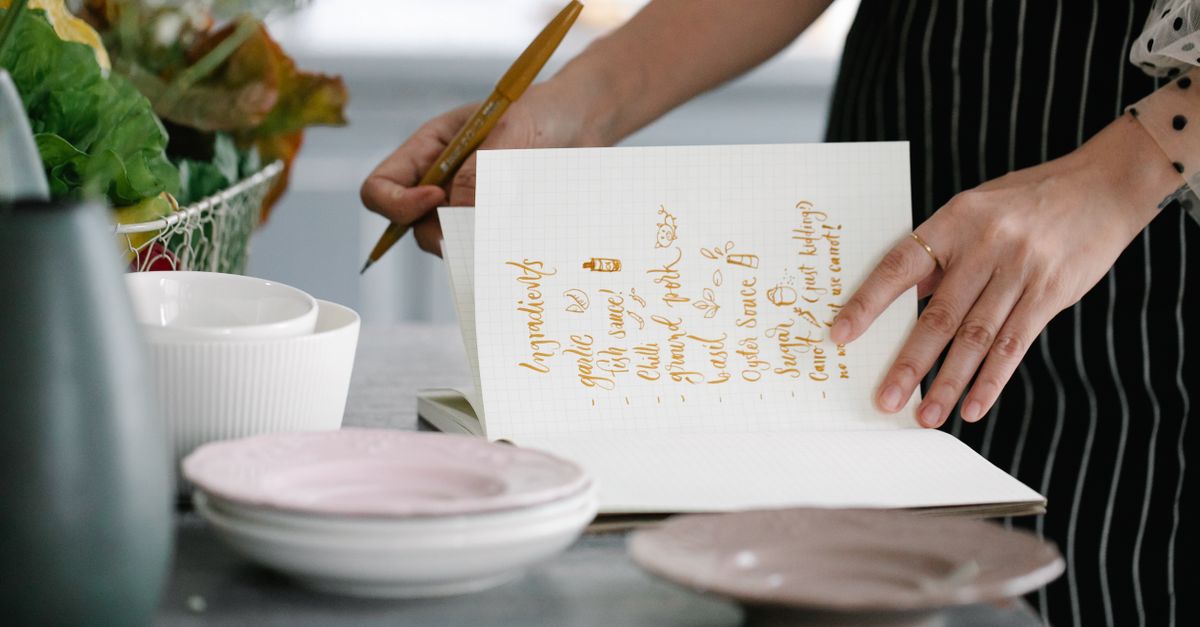
Handwritten recipe cards and a small notebook laid out on a wooden kitchen table

Reader submissions

The Recipe Swap Column and Where Its Dishes Come From

The recipe swap has become one of the most read pages in the paper, largely because the submissions are not polished. They come in handwritten, photographed, or typed with the original quantities left in cups and spoonfuls. Editing them for print means preserving the voice while making the method followable for someone cooking it for the first time. This article looks at how submissions are selected, why some recipes are held back for a later issue, and what readers tend to send when a season changes. It also explains how to submit a recipe with enough detail to be usable.

Read the full piece
Volunteers working with hand tools among labelled plant beds in a public garden

Volunteer clubs

Volunteer Rosters at a Botanical Garden

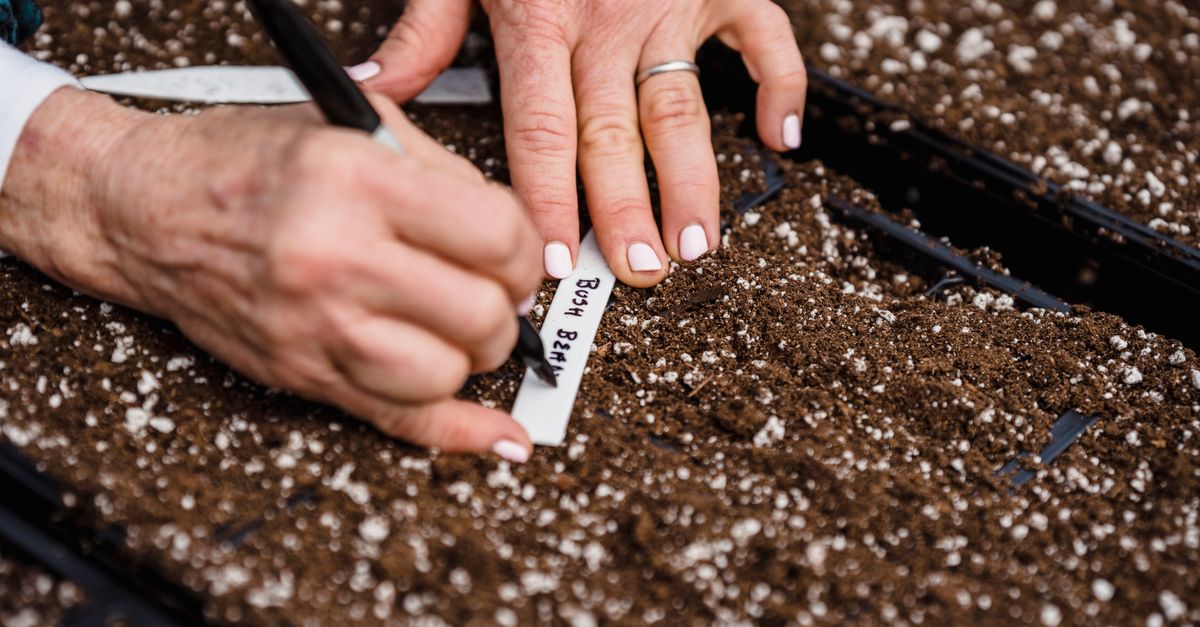
Botanical gardens depend on volunteers for far more than weeding. A typical roster covers propagation, path clearing, seed collection, and guiding school or community groups through the collection. New volunteers usually start with a half shift alongside someone experienced, learning which beds are delicate and which tools belong where. This piece describes how a roster is drawn up, how shifts are swapped when someone is away, and why the social side of the morning tea break matters as much as the work itself. It also notes the physical demands so readers can judge whether a shift suits them.

Read the full piece