Umoya Legacy

Community life

What a Walking Group Actually Asks of You

Pace, distance and the quiet etiquette of a Saturday morning route

A line of walkers on a gravel path through low green vegetation in soft morning light

Most groups in South African towns find their rhythm within a few weeks. There is a fixed meeting point, a route that shifts with the season, and an unspoken rule that nobody is left at the back. New walkers tend to arrive worried about pace. The real adjustment is social: learning who carries the spare water, which paths flood after heavy rain, and how the group handles the steep section near the ridge.

Routes are usually chosen for shade and level ground, with a bench somewhere near the halfway mark. On a Saturday morning the group meets at a suburban park gate before the heat builds, greets the regulars by name and waits a few minutes for latecomers. Members carry water, a hat and sometimes a small notebook for bird sightings. The walk often ends at a cafe table, where the next week's route gets agreed.

For a first walk, keep it simple. Wear shoes you have already broken in, bring more water than you think you need, and tell the person leading where you plan to turn back if the distance runs long. Nobody expects a newcomer to keep the front pace. The slower group is usually the one that lasts, because it is the one that keeps talking.

Send your group's details

If your walking group has a regular meeting point, start time and pace, send it through so it can appear in the local events diary. Community groups can also submit listings for the next print run or the weekly email digest.

Related reading: Downsizing a Family House Without Rushing the Decisions.

What a Walking Group Actually Asks of You

The walking group piece sits alongside a handful of other columns that follow the same idea: ordinary routines, written by people who keep them. If you are reading this before your first Saturday walk, these are the pieces readers tend to send to a friend next.

Downsizing column

Downsizing a Family House Without Rushing the Decisions

A room-by-room method for households that have filled up over forty years. It pairs well with the walking piece because both are about small, repeatable steps rather than one big push.

Read the downsizing column

Garden column

Keeping a Garden Alive Through a Dry Winter

Watering schedules, mulch and the plants that forgive a missed week. Useful if your walk ends at a garden gate and you keep meaning to sort the beds before the cold settles in.

Read the garden column

From the archive

Browse the full posts archive

Every feature, letters page selection and events diary entry we have published online, sorted by issue. A good place to look if you want to see how a group listing appears once it is printed.

Open the posts archive

Walking groups that want their meeting point, start time and pace listed in the local events diary can send the details through the contact page. The same route works for club notices, lift shares and letters to the editor.

What a Walking Group Actually Asks of You

If your group meets at the same gate every Saturday, the events diary is the place for it. Send the meeting point, the start time, the pace you keep and whether the route is level or has a climb. A short note on how far you walk and whether newcomers are met at the gate is enough for readers to decide if the morning suits them.

Letters, club notices, recipe submissions, classifieds and obituary notices all reach the same desk. Community groups can mark whether an item should go into the next print run or the weekly email digest. Nothing is published without your agreement, and submissions may be edited for length and clarity.

Send a submission or listing

What you can send

  • A letter for the letters page
  • An event or club listing for the diary
  • A recipe for the swap column
  • A notice for the classifieds board
  • An obituary notice, written with care

Include your name, an email address and the town or province so the item lands in the right local edition.

Filed by the editorial desk

What a Walking Group Actually Asks of You

This article was written and edited in-house at Umoya Legacy, the fortnightly community paper and weekly digest based in Johannesburg. The walking group feature sits in the community life series, where contributors who live in the areas they cover write about the routines that hold a week together: the Saturday route, the bench halfway, the coffee table where next week's plan gets agreed.

We do not attach a byline to every piece. Where a walker, club organiser or reader sends in their own account, the submission is credited to them by name in the paper. Otherwise the material is compiled from reader correspondence, group listings and the notes contributors bring back from the routes they walk themselves. No outside agency writes these pages, and no distant desk invents the details of a path it has never seen.

Publication
Umoya Legacy
Series
Community life
Editorial desk
hello@germanyseniors.com
Postal address
The Firs, 32A Cradock Avenue, Rosebank, Johannesburg, 2196, South Africa

Corrections, clarifications and reader accounts for this series can be sent to the desk. Submissions are edited for length and clarity before they appear in the print run or the weekly email digest.
What a Walking Group Actually Asks of You

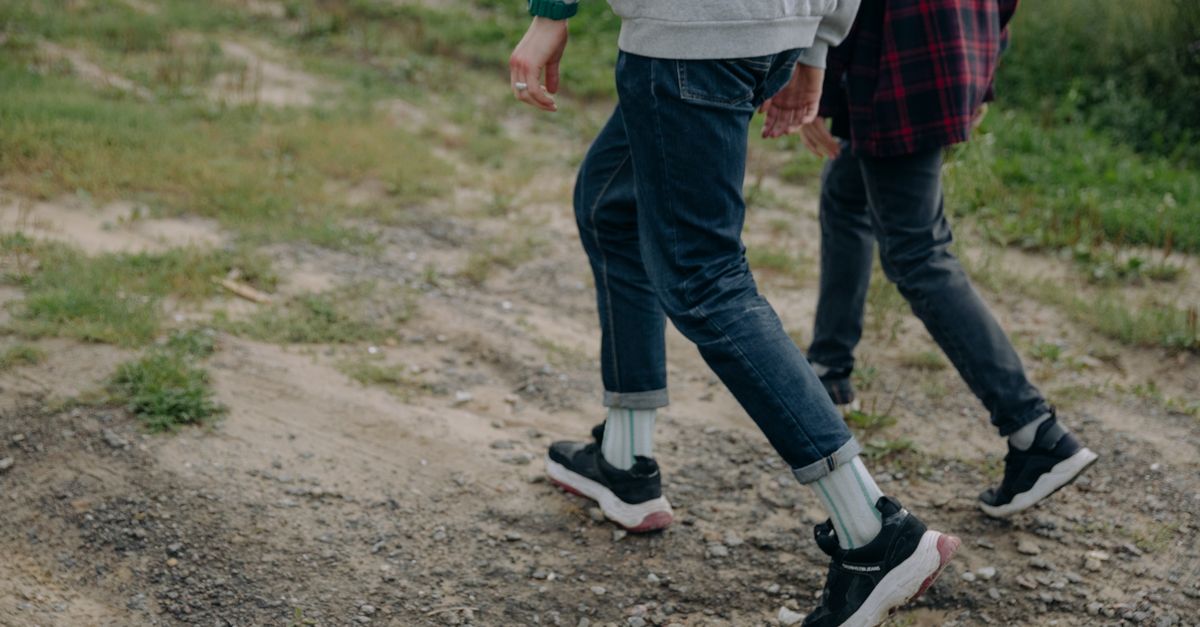
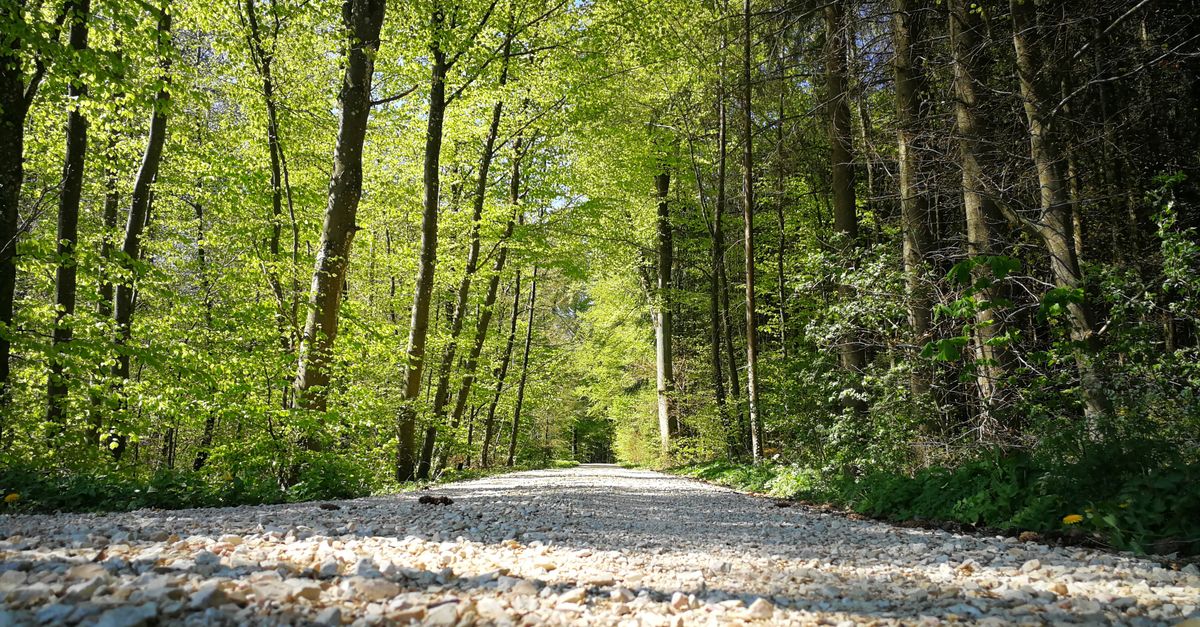
A walking group leaves marks you only notice once you join one: the same gate, the same bench, the same pause where the path narrows and the line stretches out. These images follow that morning rhythm, from the first stretch of gravel to the slow regroup at the top of the ridge.

A line of walkers on a gravel path through low green vegetation in soft morning light
Walkers spread into a single line on the gravel stretch, the pace set by whoever is at the front.
A garden bed covered with dry mulch beside clipped shrubs under a pale winter sky
Routes often cut past municipal beds and small parks, which is where the group slows down without being asked.
Volunteers working with hand tools among labelled plant beds in a public garden
Some walkers stay on after the route ends, joining the garden volunteers for an hour of tidying before the tea break.

The photographs here show the kind of ground a group covers in a single outing: gravel, garden edges, a bench where the slower walkers catch up. If your own group has a meeting point, a start time and a pace worth noting, that detail is what makes the events diary useful to someone deciding whether to turn up.