Step one
A fortnightly paper, not a monthly
Club listings, lift shares and event dates move faster than a monthly cycle allows. A fortnight keeps notices current without turning the paper into a daily scramble.
A fortnightly community newspaper for South African retirees and active seniors
A fortnightly rhythm built around the real shape of an active week after full-time work.
Umoya Legacy started from a simple observation: the people who fill walking groups, garden rosters and choir rehearsals every week were rarely written about as busy. Coverage of later life tends to lean on rest and quiet, while the actual week is packed with club notices, lift shares and outings with grandchildren.
So the paper was set up as a fortnightly community newspaper with an online digest in between. Contributors live in the areas they cover, which keeps the tone plain and unhurried, and keeps the reporting close to what readers already know about their own towns.
Step one
Club listings, lift shares and event dates move faster than a monthly cycle allows. A fortnight keeps notices current without turning the paper into a daily scramble.
Step two
The email digest carries the shorter items: a changed meeting point, a book fair added late, a roster shift that needs covering before the next print run.
Step three
Durban, Pretoria, Cape Town and smaller towns each read differently. Writers who live there know which path floods and which hall has the good chairs.
Step four
The letters page, events diary, obituaries, recipe swap and classifieds board hold their place issue after issue, so readers know where to look first.
The editorial base sits in Johannesburg, and reader submissions shape each issue as much as the standing columns do. Community groups send listings for the next print run or the weekly digest, and letters, recipes and notices arrive from readers across the provinces.
A fortnightly paper is built from ordinary mornings: a route walked at the same time each week, a roster pinned in a garden shed, a table of second-hand books set out before the heat arrives.

Saturday walking routes
Groups settle on a fixed meeting point and a path that shifts with the season.
Volunteer rosters
Propagation, path clearing and seed collection, split across a weekly shift list.

The recipe swap
Reader submissions arrive in cups and spoonfuls, with the original notes intact.

Dry-winter gardening
Mulch laid before the cold, deep watering early, and a short list of forgiving plants.

Downsizing, one room at a time
A weekly quota, a single box for family conversations, and no rush on the rest.

Book fairs and club notices
Lift shares, craft supplies and meeting dates reach the classifieds board each issue.
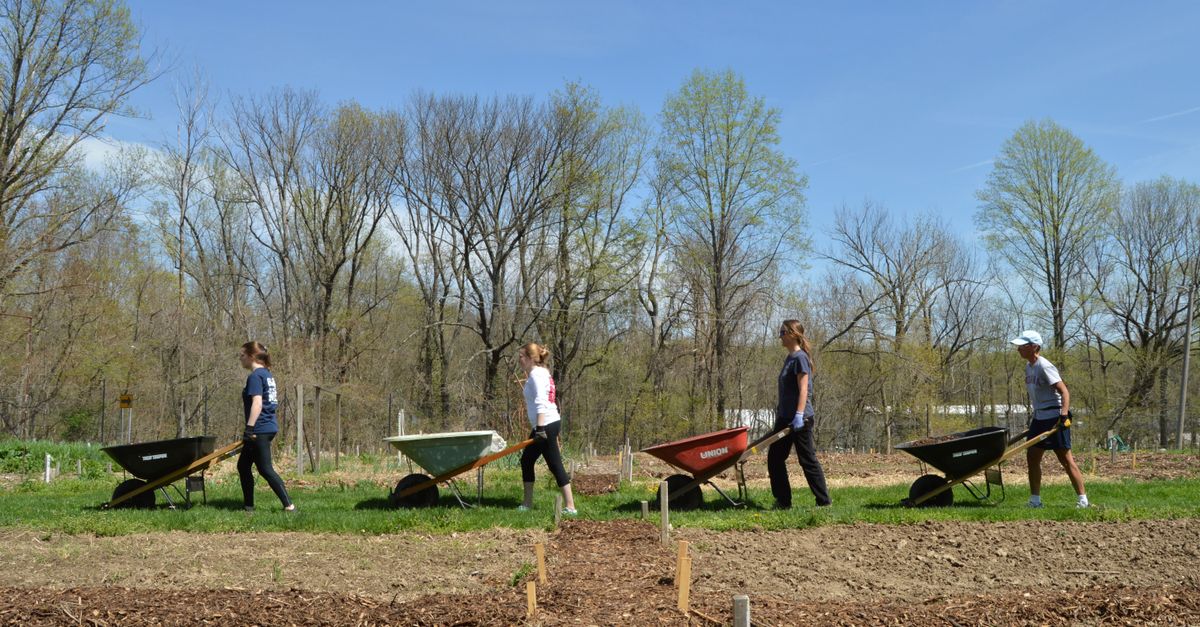
The images above show the kinds of scenes the paper returns to: paths walked at the same hour, tools shared between shifts, tables set out before the day warms up. Contributors write from the towns they live in, so the details stay close to what readers already recognise from their own week.
Umoya Legacy started from a simple observation: leaving full-time work does not empty a week. It fills it differently. Walking groups set off at the same corner every Saturday, botanical garden rosters need names on a board, watercolour clubs argue about light, choirs rehearse for a concert nobody has announced yet.
A fortnightly paper felt like the right pace for that. Slow enough to write properly, frequent enough to stay useful when a book fair moves or a lift share needs a second passenger.
Contributors live in the areas they cover. That is why a listing for a Pretoria choir rehearsal reads differently from one in a smaller town, and why the events diary tends to name the actual gate, not just the street.
No rush in the writing. A column on downsizing a house takes the time to say which rooms to start with. A garden piece explains why evening watering wastes less. Obituaries are written with care, not on a deadline.
The letters page, the recipe swap and the classifieds board for lift shares, craft supplies and club notices are reader material. Community groups send listings for the next print run or the weekly email digest.
Coverage runs through Durban, Pretoria, Cape Town and smaller towns, with the paper based in Johannesburg. Staying in touch with family spread across provinces is a recurring theme, and readers write in about it often.
The principle has not changed since the first issue: cover what actually fills a week, and let the people living it do the writing.
Umoya Legacy was never meant to be a magazine about retirement. It started as a fortnightly paper for people whose week is already full, just not full of contact availability. The calendar still has walking group mornings, choir practice, a shift at the botanical garden, a grandchild's outing on a Saturday, and a book fair that only comes around twice a year.
That is the shape we write to. Not advice about how to fill time, but notes on what is already happening in Durban, Pretoria, Cape Town and the smaller towns where a club notice on a shop window still works.
Contributors are readers first. They know which path floods after heavy rain, which hall has the good piano, and which charity shop takes furniture. That local knowledge is the whole point, and it is why the tone stays plain rather than polished.
Columns on downsizing a house, keeping a garden alive through a dry winter and staying in touch with family across provinces are written to be used. No promises, no figures we cannot stand behind, no advice dressed up as certainty.
The letters page, the recipe swap and the classifieds board for lift shares, craft supplies and club notices exist because people send things in. Submissions are edited for clarity, not rewritten into someone else's voice.
Obituaries are written slowly and with attention, because a life deserves more than a line. The events diary is checked before it goes to print, and listings that arrive late are held for the next issue rather than squeezed in.
This site stores a small preference in your browser so the notice does not appear on every visit. We do not run advertising trackers or share browsing data with third parties. You can read the details in our privacy policy.