Umoya Legacy

What Readers and Contributors Get Out of Umoya Legacy

Outcomes here are modest and specific. A fortnightly paper does not change a week on its own, but it can put a walking group, a club notice or a column on the same page as the morning you happen to be free.

The results we hear about are ordinary ones. A reader in Durban finds a walking group that meets on a weekday she already keeps clear. A retired woodworker in Pretoria sees a club notice, turns up with a half-finished project, and stays. A grandparent in a smaller town spots an outing in the events diary and takes a grandchild along. None of this is measured, and we do not claim it as a number. It is simply what a local paper is for.

A calendar that fills itself

The events diary and classifieds board carry lift shares, craft supplies and club notices from towns across the coverage area. Readers often describe the same small shift: one listing leads to a regular Tuesday, and the Tuesday leads to people they now phone between issues.
Practical pages that get used

The columns on downsizing a house, keeping a garden alive through a dry winter and staying in touch with family across provinces are written to be acted on slowly. A reader sorts one room at a time, or follows a watering routine through the cold months, rather than treating the page as a checklist to finish.

Contributors who keep writing

Many regular contributors started with a single letter to the letters page. Seeing it printed, edited lightly and set beside other readers' replies is usually enough to prompt a second one. The recipe swap works the same way: a submission goes in, and the next one arrives a fortnight later.

How a submission moves through the paper

  • Read and routed. A letter, listing, recipe or notice is read by the section editor it belongs to, not by a general desk. If it fits a different section better, it is moved rather than returned.
  • Checked for detail. Dates, meeting points, town names and quantities are confirmed against what the sender wrote. Anything unclear is queried before it goes near the page.
  • Edited lightly. Length is trimmed where needed and spelling is standardised, but the voice stays as it was sent. Contributors are told what changed.
  • Placed and recorded. Each item is logged with its section, the edition it went into, and whether it ran in print, the weekly email digest or both.

Community groups sending listings for the next print run or the weekly digest get the same treatment as individual readers. There is no charge for a club notice, and no promise about how many people will read it. What we can say plainly is that the process is the same for everyone, and that nothing is placed without the sender's permission to edit and publish.

What a Fortnightly Read Looks Like in Practice

Results from a community paper are rarely dramatic. They show up as a name written on a sign-up sheet, a club notice pinned to a hall door, or a recipe card copied out by hand and posted to a relative in another province. The pages below are the kind of moments readers describe when they write in.

None of it is measured or promised. It is simply what tends to happen when a fortnightly paper lands in a household that already has a full calendar.

Umoya Legacy: outcomes

A walking group that fits the week

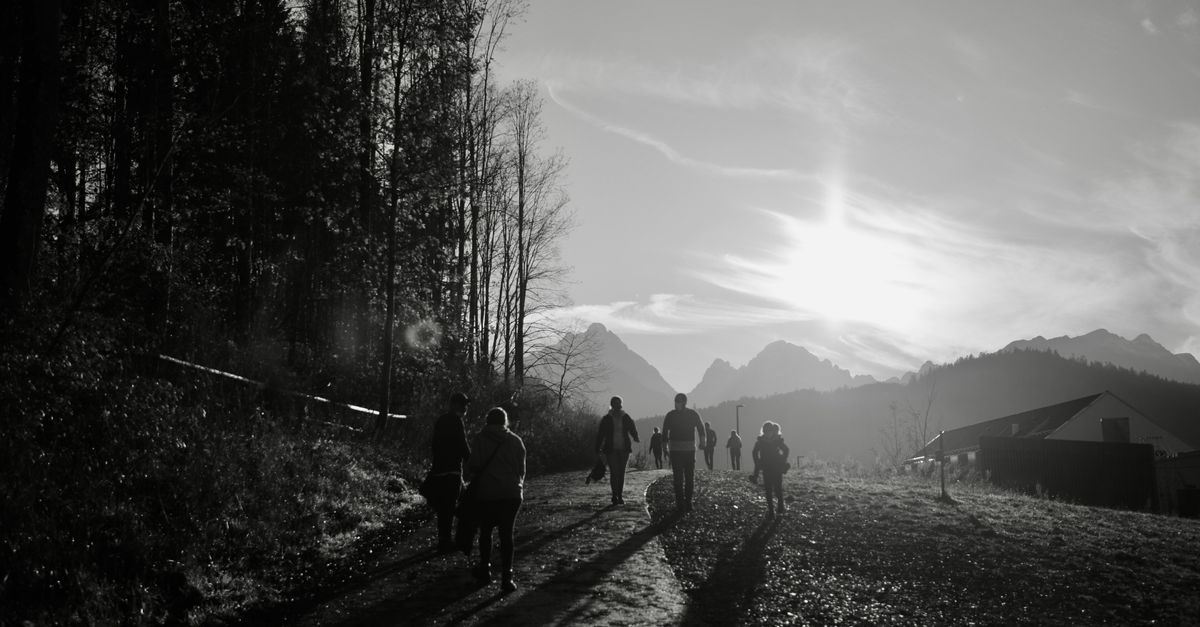
A reader in Durban spots a Saturday route in the events diary, checks the meeting point, and turns up on a morning she is actually free. Two walks later, she knows who carries the spare water and which path floods after heavy rain.

A club notice that turns into a Thursday

A retired woodworker in Pretoria reads a short listing for a woodworking club, packs a half-finished project, and arrives at the shed. The listing did not promise anything beyond a time and a place. That was enough.

A grandparent outing on the calendar

In a smaller town, a grandparent circles a grandparent-and-grandchild outing printed in the diary, then phones to ask whether the venue has shade. The answer comes from someone who lives nearby, not from a distant desk.

A letter that becomes a habit

A contributor sends one letter to the letters page, sees it printed in the next issue, and writes again the following fortnight. The second one is easier. By the fourth, writing for the paper has become part of the month.

One room at a time

A reader works through a downsizing column over several weeks, sorting the least-used room first and keeping a single box for items that need a family conversation. Nothing leaves the house until that conversation happens.

A garden that holds through winter

Following the practical pages, another reader mulches the beds before the cold sets in, waters early and deep, and leaves the tired-looking shrubs alone until spring. The garden comes through the dry stretch without a rescue plan.

What readers and contributors take away

Outcomes here are modest and specific. A fortnightly read rarely changes a life in one go, but it does fill a calendar with things worth turning up to.

Finding a group that meets when you are free

A reader in Durban scans the events diary, spots a walking group that sets off on a Tuesday morning, and turns up the following week. No sign-up, no fee mentioned, just a meeting point and a time.

Turning a club notice into a regular habit

A retired woodworker in Pretoria reads a short notice about a workshop club, packs a half-finished project, and becomes one of the people who opens the shed on a Saturday. The notice did the work of an introduction.

A grandparent outing on the calendar

In a smaller town, a grandparent finds a grandparent-and-grandchild outing listed in the diary, checks the date against the school term, and books the morning with a grandchild who lives twenty minutes away.

From one letter to a writing habit

A contributor sends a letter about a bus route that no longer runs, sees it printed in the next issue, and writes again the following fortnight. The letters page is where most regular contributors start.

One room at a time, not the whole house

A reader follows the downsizing column through a single room, then another the next month. The advice is deliberately slow: sort, price, donate, and leave the difficult boxes for a family conversation.

A garden that survives a dry winter

Another reader adjusts a watering routine after reading the practical pages, mulches the beds before the cold arrives, and stops losing shrubs to a dry August. Small changes, repeated.

Community groups can send listings for the next print run or the weekly email digest, and readers can send letters, recipes or classifieds notices.

How each issue is put together See the fortnightly and digest options

One small step, whenever your week allows it

Outcomes rarely arrive all at once. A walking group found on a free Tuesday morning, a club notice that finally gets a woodworker out of the garage, a letter that runs in print and turns into a regular habit. The paper works the same way: you read a fortnight, then you send something in.

If a listing, a letter, a recipe or a classified notice has been sitting on your desk, the contact page is where it goes. Community groups can send event and club notices for the next print run or the weekly email digest, and readers can submit material for the letters page, the recipe swap or the obituaries section. Nothing is promised beyond an editorial read, but every submission is looked at by someone who lives in the area it comes from.

What usually comes next

  • A reader in Durban spots a walking group that meets on a morning she is free.
  • A retired woodworker in Pretoria sees a club notice and turns up with a project.
  • A grandparent in a smaller town finds an outing in the events diary.
  • A contributor sends a letter, sees it printed, and starts writing regularly.

No numbers, no guarantees. Just the small, repeatable ways a fortnightly read fits into a full calendar.

Prefer to start at the beginning? See the current issue.