Umoya Legacy

Seasonal garden care

Keeping a Garden Alive Through a Dry Winter

Watering schedules, mulch and the plants that forgive a missed week

A garden bed covered with dry mulch beside clipped shrubs under a pale winter sky

Winter in much of the country does not mean rain. It means clear skies, cold mornings and soil that dries out faster than it does in the middle of summer, because there is no cloud cover to slow evaporation and no afternoon downpour to reset the moisture. A garden that looked settled in April can look tired by July. The fix is rarely more water. It is better timing, a layer of cover on the soil, and a planting list that does not demand attention every second day.

Water deep and early. A long, slow soak before the sun is properly up sends moisture past the surface crust and down to the roots, where it stays useful for days. A quick sprinkle at midday mostly evaporates and leaves the top layer damp enough to encourage shallow roots that suffer the moment you miss a session. If mornings are not practical, late afternoon works, but leave enough gap before dark so foliage has a chance to dry. Evening watering is not wasted, it simply carries a little more risk of damp sitting on leaves overnight.

Mulch is the quiet work that saves the most. Spread a generous layer over bare beds before the cold settles in, keeping it clear of stems and trunks so nothing stays wet against the plant. Dry leaves, coarse compost and bark all do the job. Pots need the same treatment, and grouping them together in a shaded corner cuts the water they lose. A simple rain gauge and a written watering roster on the shed wall help a household keep track when several people share the task.

Some plants carry a dry winter without complaint. Clipped shrubs, low ground covers and tough indigenous species hold their shape when everything around them looks flat. Neighbours are often the best source of advice on what survives locally, and cuttings passed over a fence tend to do better than anything bought in a hurry. Leave the pruning until spring. Cutting back now exposes tender growth to cold nights and removes the cover the plant is using to protect itself.
More from the practical columns

The dry-winter piece sits alongside two other columns readers keep coming back to. One deals with a house that has filled up over decades, the other with the small etiquette of a Saturday route. Both were written by contributors who live where they report.

Browse the full archive

Household

Downsizing a Family House Without Rushing the Decisions

Start with the rooms you use least, set a weekly quota, and keep one box for the items that need a family conversation before anything leaves the house. The column covers pricing, charity shops and book fairs, and how to keep the process from stalling.

Read the downsizing column

Garden

Keeping a Garden Alive Through a Dry Winter

Water deep and early, mulch the beds before the cold settles in, and lean on shrubs that tolerate a missed week. This is the piece you are reading now, with the weekly routine and the planting list that holds its shape when everything else looks tired.

You are on this page

Out and about

What a Walking Group Actually Asks of You

A fixed meeting point, a route that shifts with the season, and nobody left behind at the back. The real adjustment is social: who carries the spare water, which paths flood after heavy rain, and how the group handles the steep section near the ridge.

Read the walking group guide

Contributors send these columns in from Durban, Pretoria, Cape Town and smaller towns, and the practical pages are edited the same way as the rest of the paper: plain, unhurried, and checked against what actually works in a local garden or a local street.

Keeping a Garden Alive Through a Dry Winter

The dry-winter garden piece grew out of reader letters, and the next one will too. If you have a watering routine that has held up through a clear, rainless July, a mulch mix that kept a bed cool, or a shrub that shrugs off a missed week, we would like to read it. The same goes for the downsizing column: a room that stalled for months, a box you finally opened, a charity shop that took the crockery nobody wanted.

Garden clubs and community groups can also send listings for the next print run or the weekly email digest. Keep the details plain: what is happening, where, and who to ask. There is no need to polish the wording before it reaches us.

Go to the contact page

What you can send

  • A short tip for the garden or downsizing column
  • A letter for the letters page
  • An event or club listing for the diary
  • A recipe for the swap column
  • A classifieds notice: lift shares, craft supplies, club notices

Include your name, an email address we can reply to, your town or province, and whether the item is for the print run or the digest.

Keeping a Garden Alive Through a Dry Winter

This piece on dry-winter gardening comes from the practical columns desk at Umoya Legacy, the fortnightly community newspaper and online digest based in Johannesburg. The column is put together by contributors who live in the areas they write about, which is why the advice here stays close to what actually happens in a South African garden between May and August: clear skies, cold nights, and soil that dries out faster than it does in the middle of summer.

The routine described in the article is not a single method handed down from one source. It is assembled from reader letters, garden-club notices and short tips sent in from Durban, Pretoria, Cape Town and smaller towns, then checked against what the contributors see in their own beds. When a reader writes in about mulch that held through a dry spell, or a shrub that forgave three missed waterings, that detail is what shapes the next column.

No single byline is attached to this page. The practical columns are edited as a shared section, and the same applies to the downsizing column and the family-connection pieces that run alongside them. If you have a short tip for a future garden column, or your club wants to send a notice for the next print run or the weekly email digest, the contact page is the place to send it.

Keeping a Garden Alive Through a Dry Winter

A few frames that sit alongside the column: mulched beds, clipped shrubs and the quiet work that keeps a garden standing until the first spring rain.

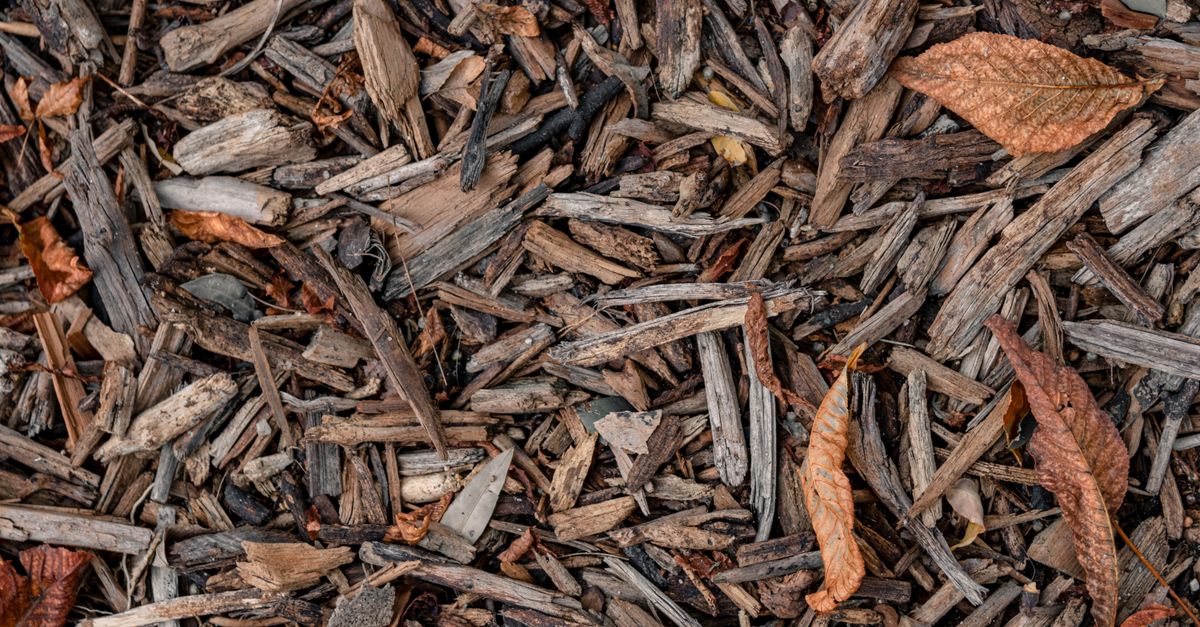
A garden bed covered with dry mulch beside clipped shrubs under a pale winter sky
Mulch laid before the cold sets in. The layer looks untidy for a week, then holds moisture for months.
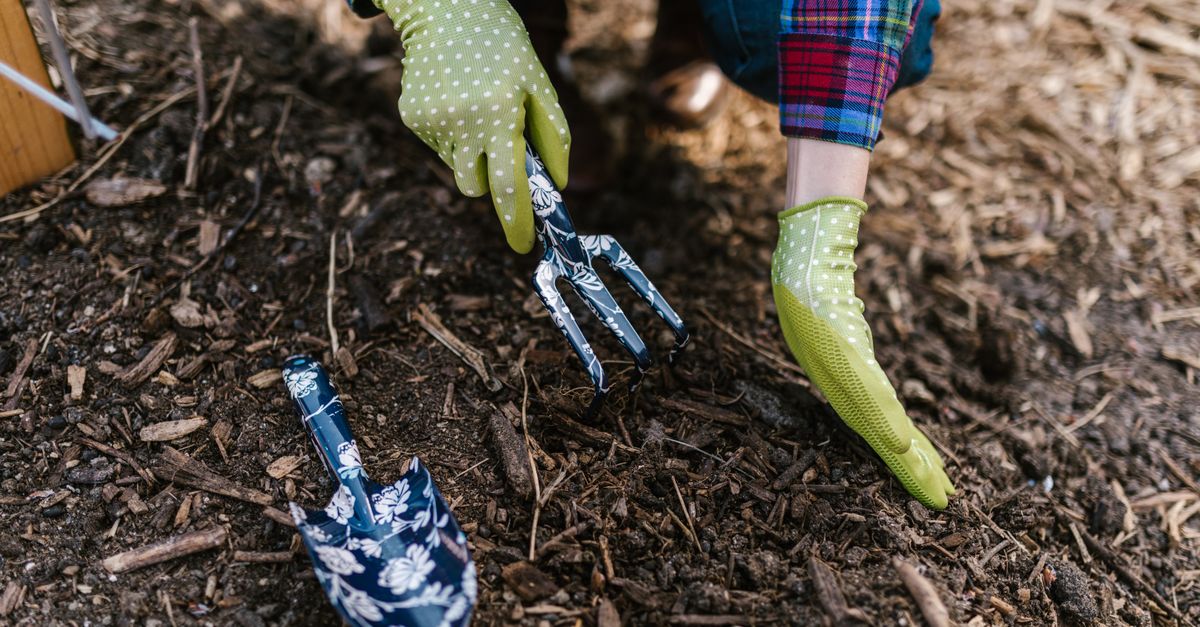
Hand tools resting beside a row of potted plants on dry soil
Pots grouped in shade lose less water than pots spread across a sunny wall.
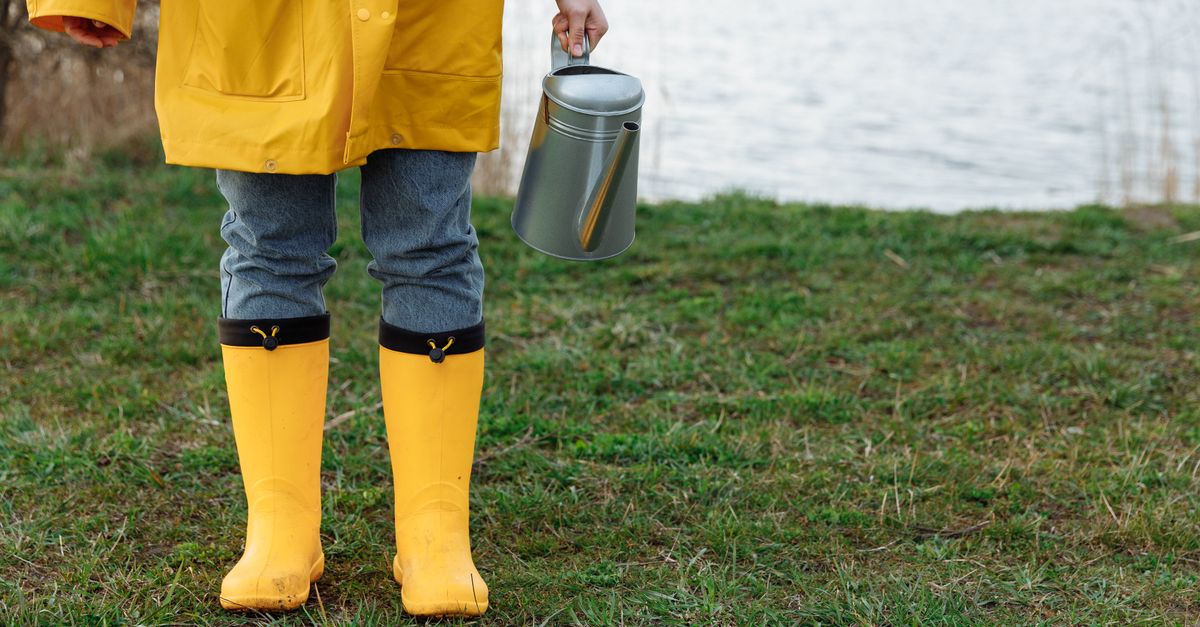
A watering can and a rain gauge standing on a paved garden path
A rain gauge takes the guesswork out of the weekly schedule. If the reading is low, water deep and early.
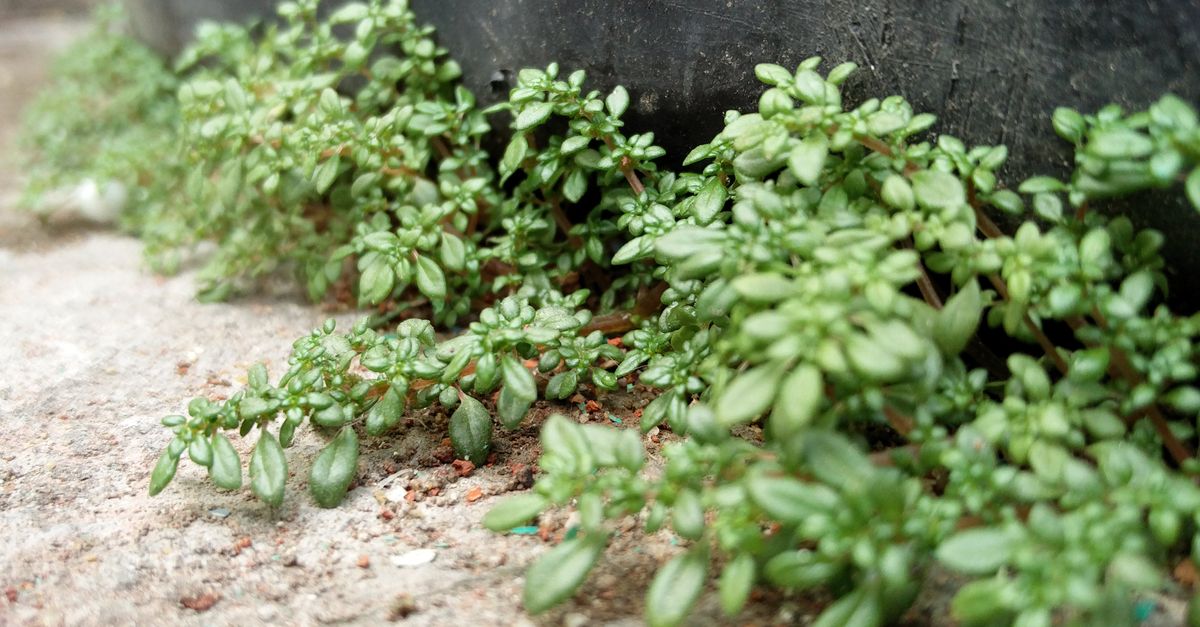
A low ground cover spreading across a dry garden border in winter light
Ground covers that tolerate neglect keep the soil covered while the rest of the bed waits for spring.

These images sit beside the column as visual notes on the routine it describes. They are not photographs of a specific reader's garden, and they are not offered as proof of a result. If you keep a garden through a dry winter and want to share what worked, the practical columns welcome short tips from readers.