Umoya Legacy

Volunteer club profile

Volunteer Rosters at a Botanical Garden

How a weekly shift is organised, and what the work actually involves

Volunteers working with hand tools among labelled plant beds in a public garden

What a shift covers

A botanical garden leans on its volunteers for far more than pulling weeds. The roster usually splits the morning into three strands: propagation and potting in the nursery, clearing and edging along the paths, and seed collection from the beds that have finished flowering. A fourth strand, guiding school or community groups, runs on the days when visitors are booked in.

New volunteers rarely start alone. The common arrangement is a half shift beside someone who has worked the same beds for a season or two, which is how you learn which sections are delicate and which tools live on which hook in the shed.

How the roster is drawn up

Most rosters are built a month at a time and pinned up in the tool shed, with names against a morning slot. When someone is away, the swap is handled between volunteers rather than through a coordinator, which keeps the arrangement simple but depends on people knowing each other. That is part of why the tea break matters: it is where the following week's gaps get filled.

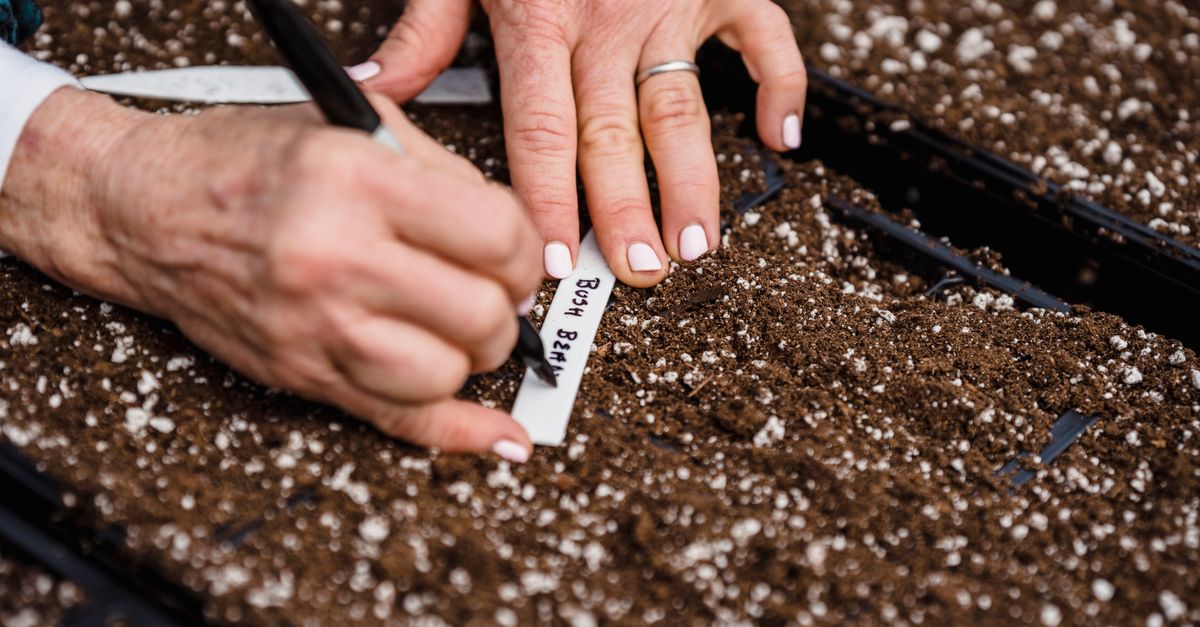
Propagation

Potting on, labelling and keeping the nursery benches watered through the week.

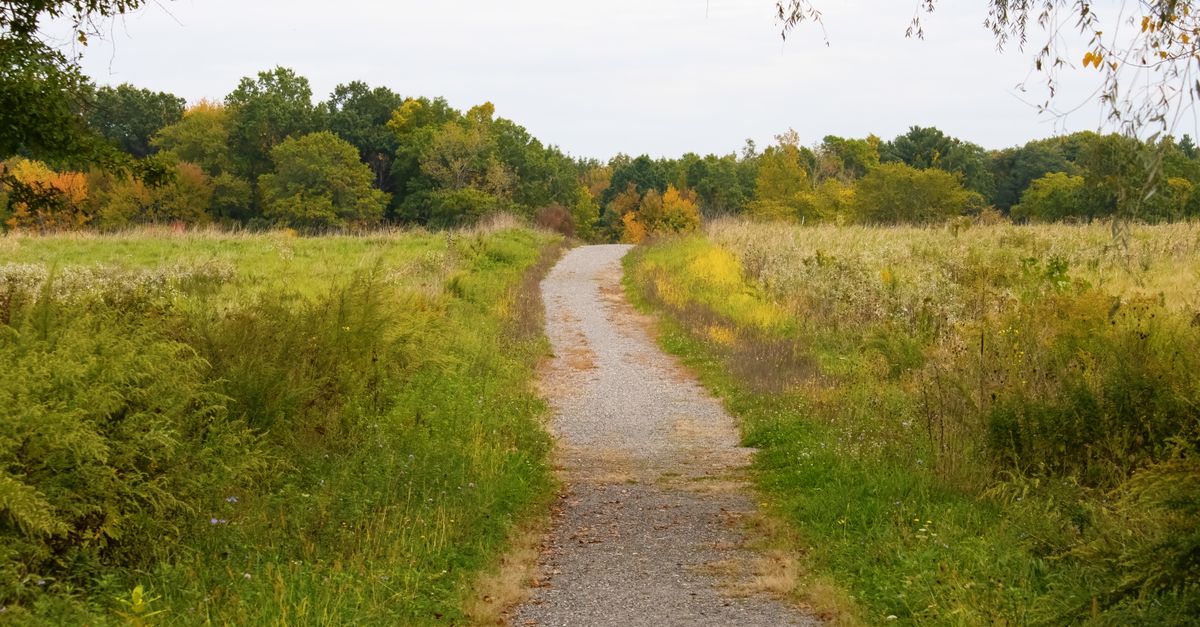
Path clearing

Edging, sweeping and keeping the walkways passable after wind and heavy growth.

Guiding visitors

Walking school and community groups through the collection on booked mornings.

Before you put your name down

A garden shift is physical in a quiet way. It means standing for a few hours, kneeling at the beds, and carrying a wheelbarrow or a crate of pots across uneven ground. Some mornings are cold and damp, and the work continues regardless. Readers who want to judge whether a shift suits them should ask about the terrain and the length of the morning before committing to a regular slot.

If you are weighing up a first morning outdoors, our piece on what a walking group actually asks of you covers a similar question of pace and stamina. And if you would like to send a club notice or a listing for the next print run, the contact page is where submissions arrive.

Volunteer Rosters at a Botanical Garden

The roster piece rarely stands alone. Readers who send in a listing about a garden shift tend to send the next thing a fortnight later, and those notes land in the same columns as the walking routes and the downsizing advice.

All posts in the archive

Walking routes

What a Walking Group Actually Asks of You

The same readers who swap a garden shift often walk on a Saturday. This one covers pace, the route that changes with the season, and the quiet rule that nobody is left at the back.

Read the walking group piece

Household columns

Downsizing a Family House Without Rushing the Decisions

Several volunteers mention the same thing: the shed of shared tools at home is easier to sort once the garden work is regular. This column works room by room, at a weekly quota rather than in one purge.

Read the downsizing column

From the letters page

Notes that arrive after a shift

A short note about a lift share to a craft club, or a correction to a meeting day, travels the same path as a garden listing. A contributor in the same town checks the details before it goes anywhere near the print run.

Send a letter, a listing or a notice through the contact page and it joins the same queue as everything else in the fortnightly issue and the weekly digest.

Volunteer Rosters at a Botanical Garden

A short note is enough to start. Readers send letters for the letters page, club and event listings for the local diary, recipes for the swap column, classifieds notices for lift shares and craft supplies, and obituary notices written with care. Community groups use the same route when they want a meeting day, a venue or a roster change to reach the next print run or the weekly email digest.

What helps us place it correctly

  • Your name and an email address we can reply to.
  • The town or province, so the item lands in the right local edition.
  • The full text of the letter, listing or notice, including dates and meeting points.
  • Whether you would rather see it in the next print run, the weekly email digest, or either.

Where to send it

The contact page carries the submission form and the editorial address. Submissions may be edited for length and clarity before they appear, so please confirm that permission when you send.

Email: hello@germanyseniors.com
Phone: +27 66 762 3470

Go to the contact page

Postal address for written correspondence: The Firs, 32A Cradock Avenue, Rosebank, Johannesburg, 2196, South Africa.

Who Wrote This Piece

This article on volunteer rosters at a botanical garden was written by a contributor for Umoya Legacy, the fortnightly community newspaper and online digest for readers across South Africa who have left full-time work but keep a full calendar. The contributor lives in the area the garden serves, which is why the piece names the toolshed, the delicate beds and the tea break rather than describing volunteering from a distance.

Umoya Legacy is based in Johannesburg and covers Durban, Pretoria, Cape Town and smaller towns. Regular sections include a letters page, a local events diary, carefully written obituaries, a reader recipe swap and a classifieds board for lift shares, craft supplies and club notices. Reader submissions are welcome, and community groups can send listings for the next print run or the weekly email digest.

Publication
Umoya Legacy
Editorial base
Johannesburg
Coverage
Durban, Pretoria, Cape Town and smaller towns
Send a listing or letter
hello@germanyseniors.com

Volunteer Rosters at a Botanical Garden

A roster is only half the story. What a volunteer actually does between eight and noon depends on the season, the beds that need attention, and how many school groups are booked in that week.

Volunteers working with hand tools among labelled plant beds in a public garden
A morning shift in the propagation beds, where cuttings are sorted before the heat builds.
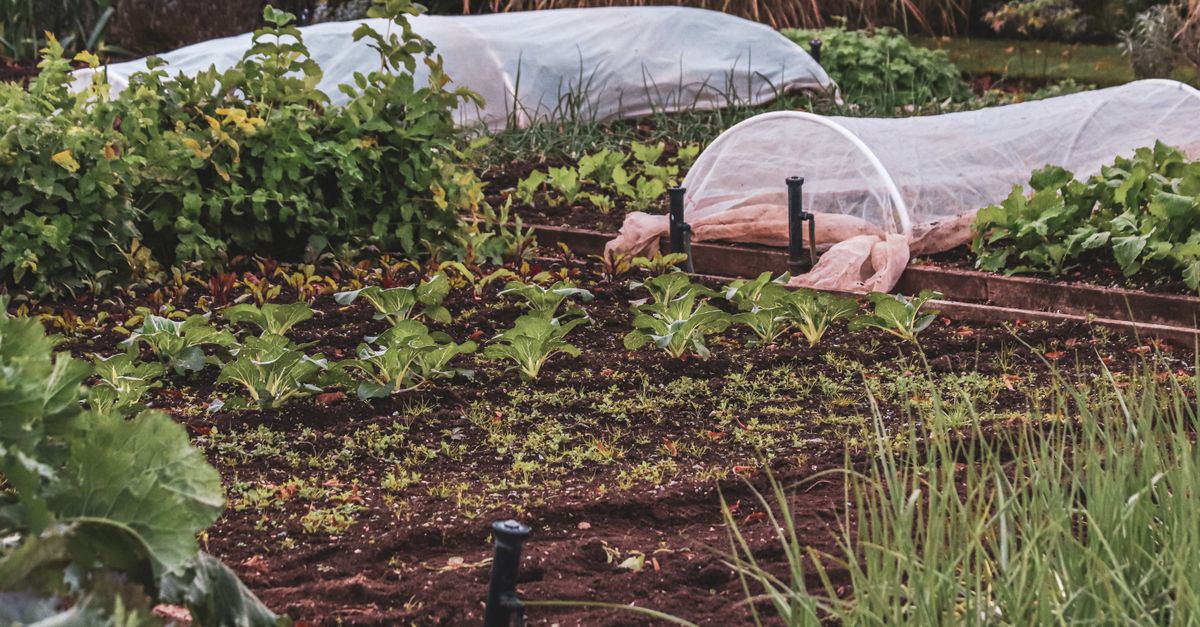
A garden bed covered with dry mulch beside clipped shrubs under a pale winter sky
Mulch laid before the cold keeps the beds steady through a dry stretch.
Handwritten recipe cards and a small notebook laid out on a wooden kitchen table
The shed noticeboard carries the roster, the swap list and the tea rota side by side.
A line of walkers on a gravel path through low green vegetation in soft morning light
Path clearing is often the first task handed to a new volunteer.
Cardboard boxes and labelled storage crates stacked in a bright room with wooden floors
Seed packets are dried, labelled and stored before they go back to the collection.
Volunteers working with hand tools among labelled plant beds in a public garden
Guiding a school group means knowing which beds can be walked past and which cannot.